 1080p
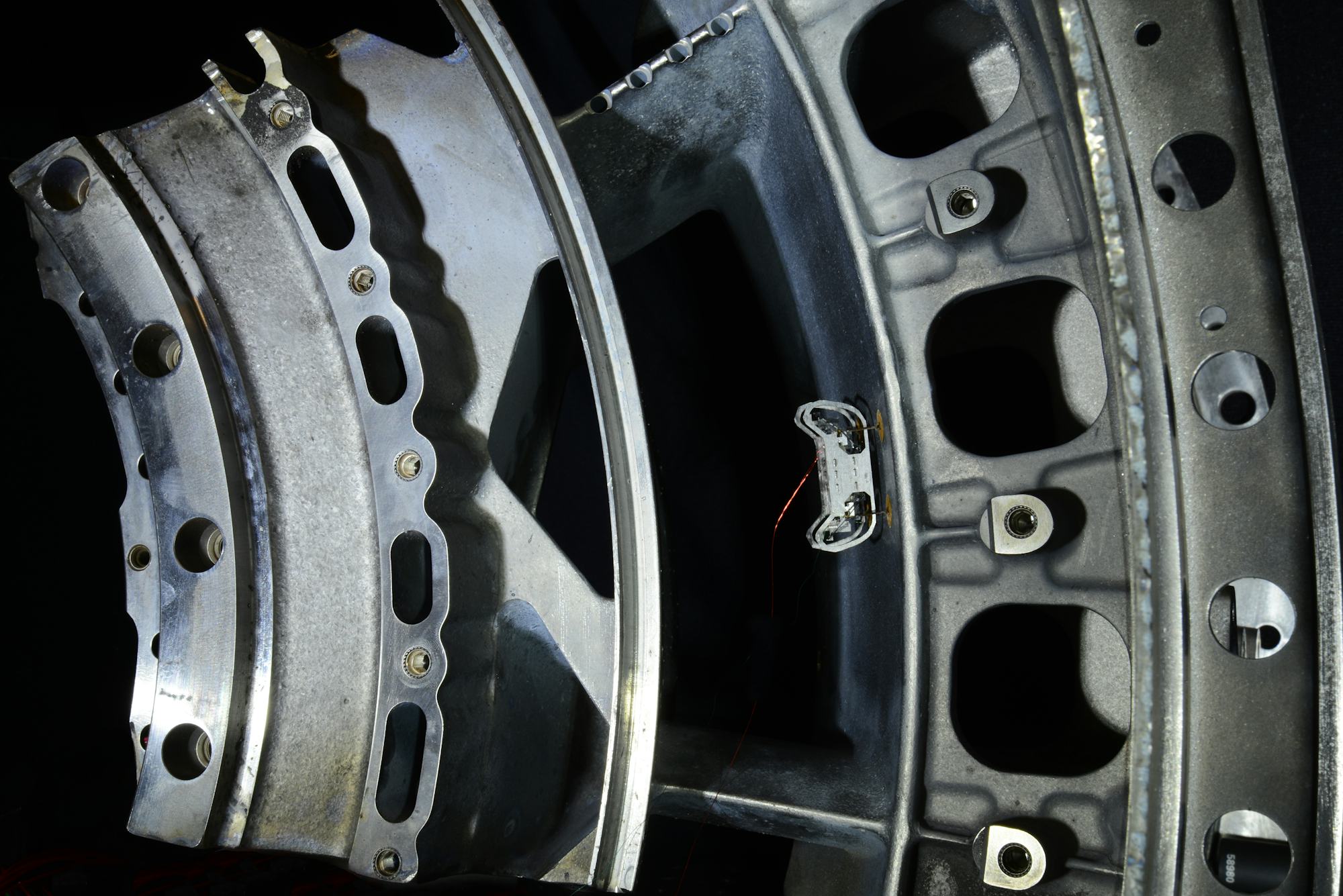
1080pHAMR-E: electroadhesive crawling on engine walls
A centimetre-scale tethered robot uses electroadhesive feet to crawl on vertical, inverted and curved conductive surfaces.
Tethered climbing experimentsRead case
Adhesion, locomotion and tools on engine walls and spacecraft surfaces.
Wyss Institute at Harvard University1080pA centimetre-scale tethered robot uses electroadhesive feet to crawl on vertical, inverted and curved conductive surfaces.
 1080p
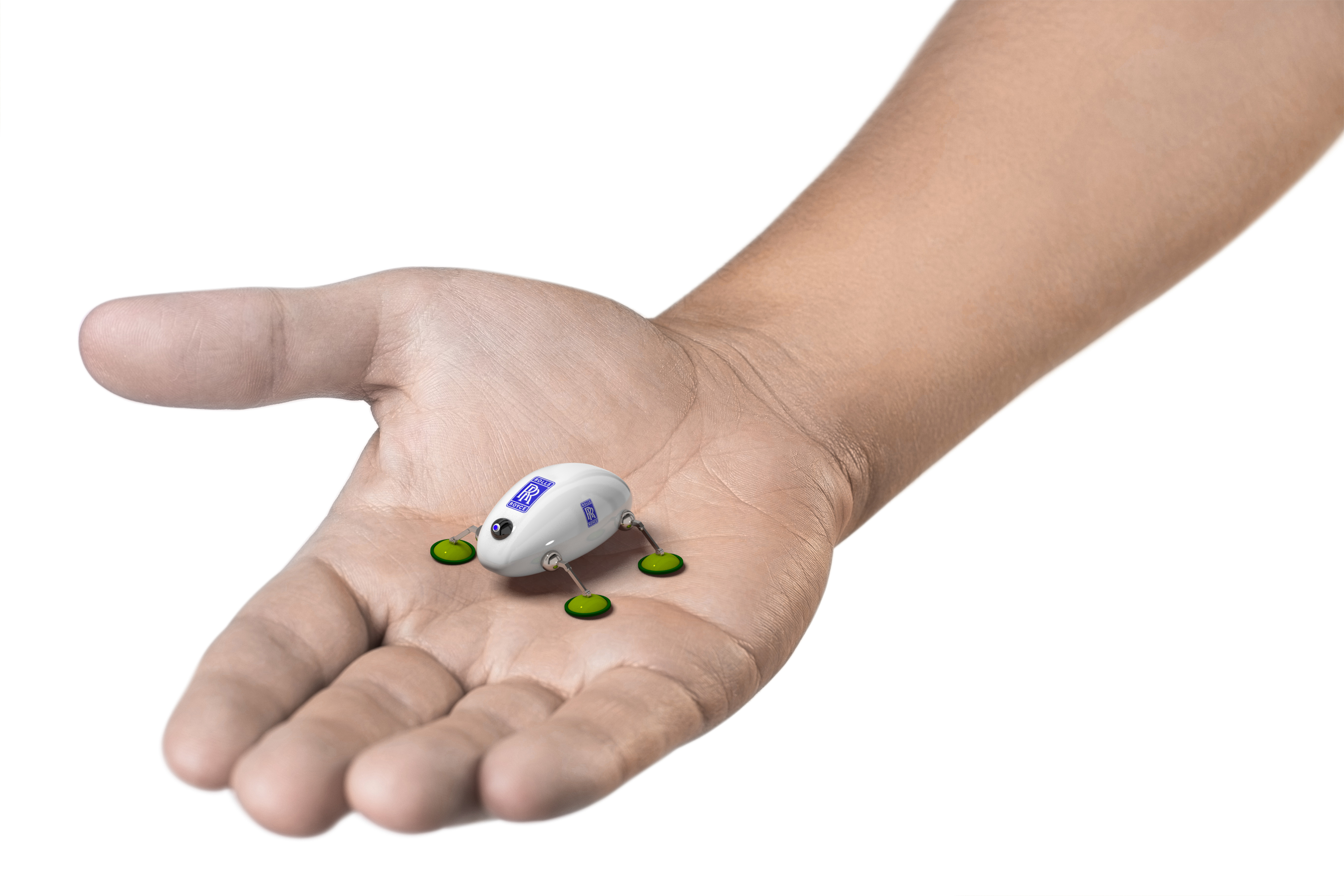
1080pA proposed snake carrier would deploy and retrieve miniature crawlers to inspect surfaces beyond conventional borescope access.
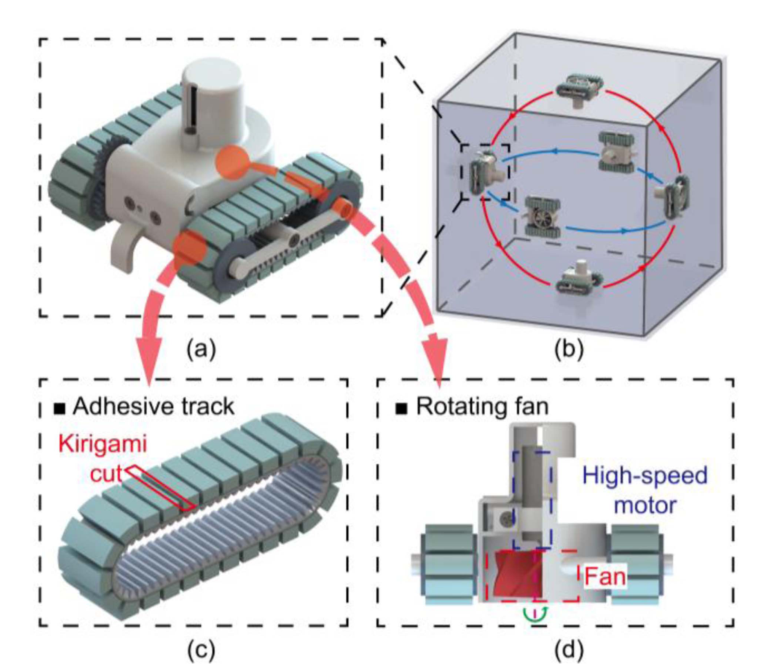
Kirigami-inspired adhesive tracks and negative-pressure preload enable a miniature robot to transition between surfaces of varying curvature.
 720p
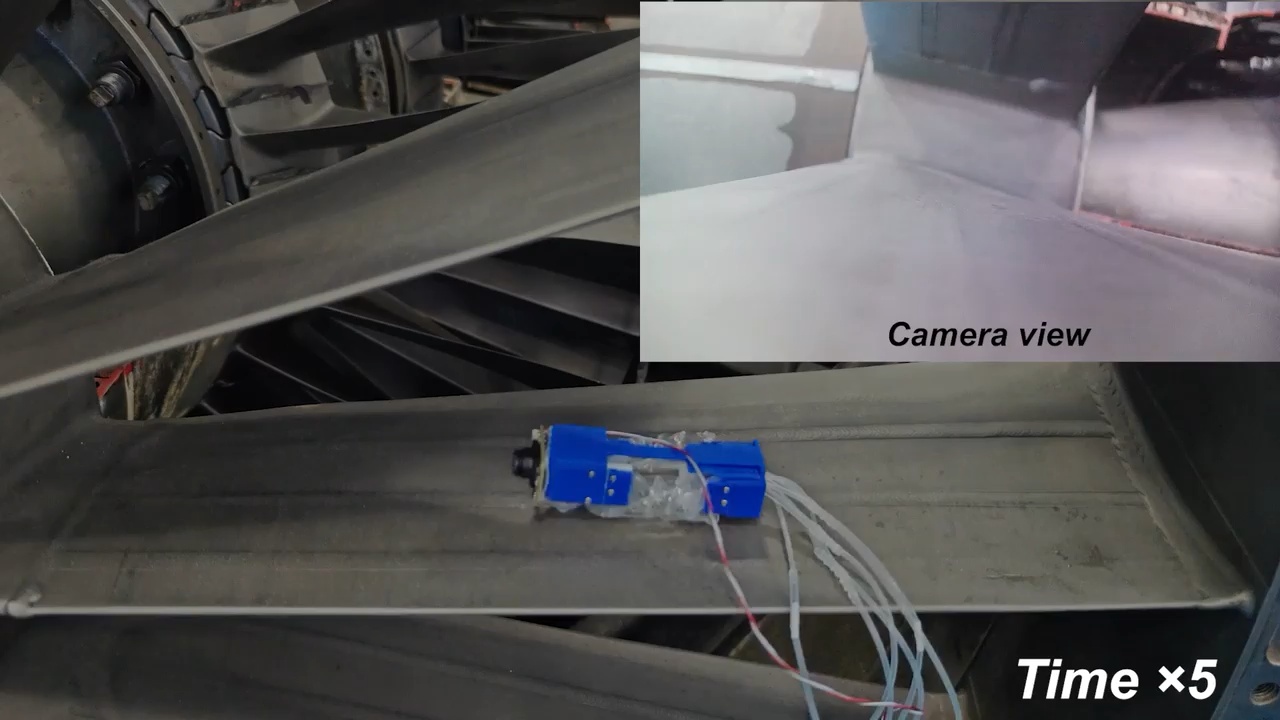
720pA unified active-compliance mechanism adapts to varied surfaces, with visual-inspection tests inside a decommissioned engine.
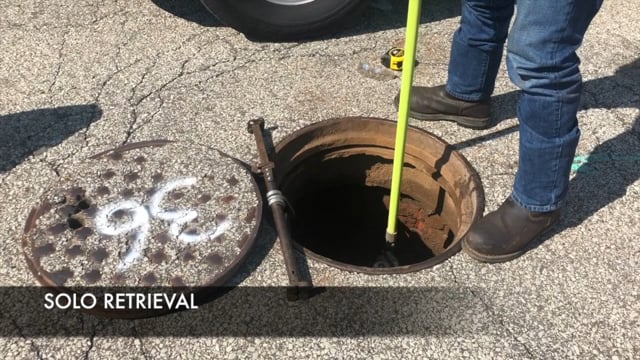 720p
720pThe tracked SOLO robot is deployed through a manhole to collect interior imagery for sewer assessment.
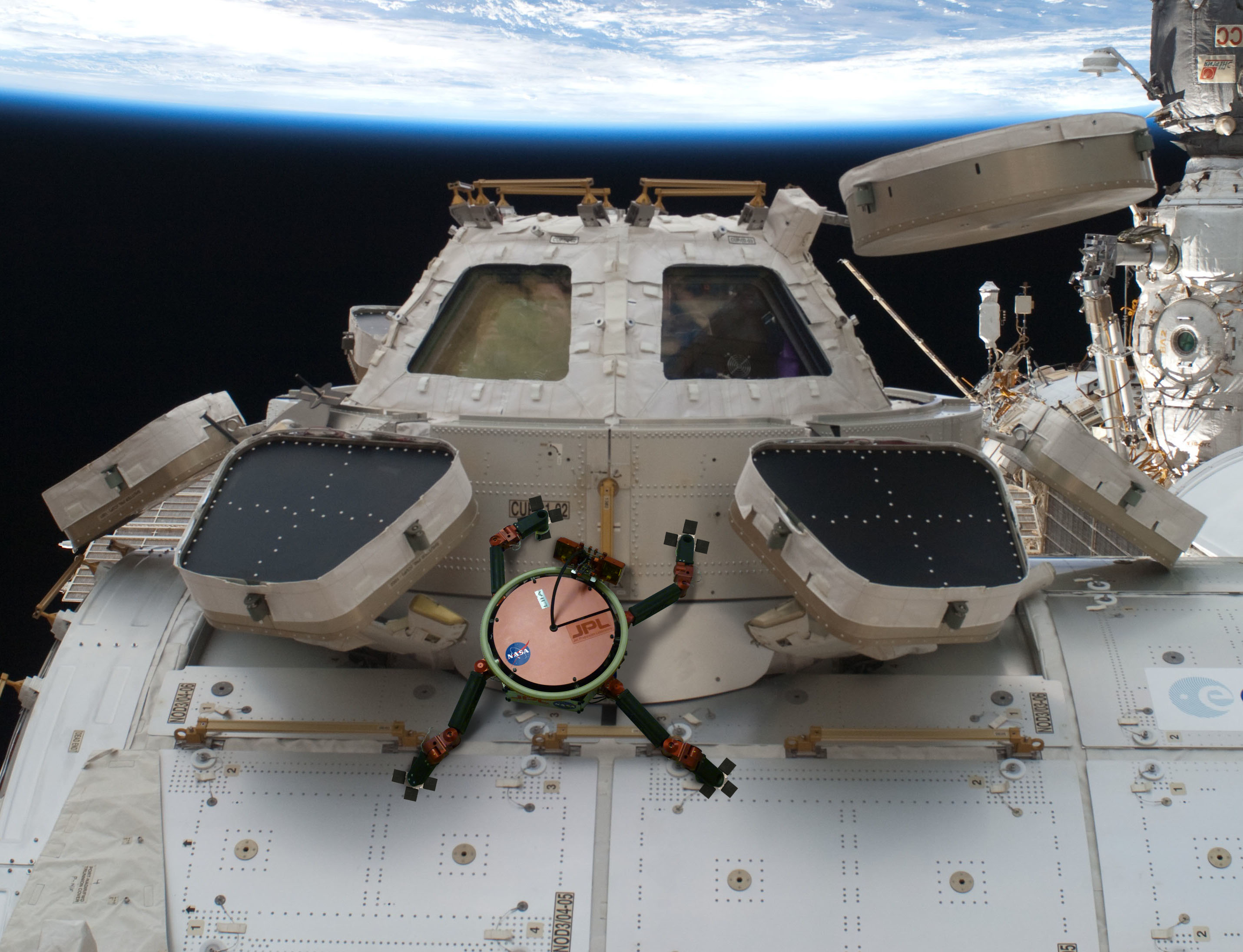 Video
VideoAdhesion, locomotion and grasping studied on spacecraft-surface mock-ups and in microgravity tests.
Research noteHow HAMR-E uses electroadhesive feet to climb inside an engine section.
Working on a related study? Submit a project with its objectives, progress and resource access.
Visit community projects ↗