Locating body contact from tendon measurements
A new preprint combines known obstacle geometry with moving horizon estimation to infer contact location and force in a two-section continuum-robot simulation.
arXivRead update ↗

OpenRuwei is an open community for robotics in constrained spaces, connecting maintenance, medical intervention, rescue, infrastructure inspection and orbital servicing.
A new preprint combines known obstacle geometry with moving horizon estimation to infer contact location and force in a two-section continuum-robot simulation.
The partners will train robots for inspection and asset monitoring, with initial practical grid experience at MITNETZ STROM expected in 2027.
A unified framework combines long-horizon planning with local geometric refinement for coordinated base–arm motion in cluttered spaces.
An armless quadruped estimates surface direction from force and velocity cues while sliding a body-mounted tool along near-vertical surfaces.
Engine inspection ports, small body passages and rubble gaps constrain a robot’s size and motion. Industrial facilities and spacecraft also require deliberate approaches to access, contact and remote operation. These research and field cases document paths, locomotion, inspection and manipulation.
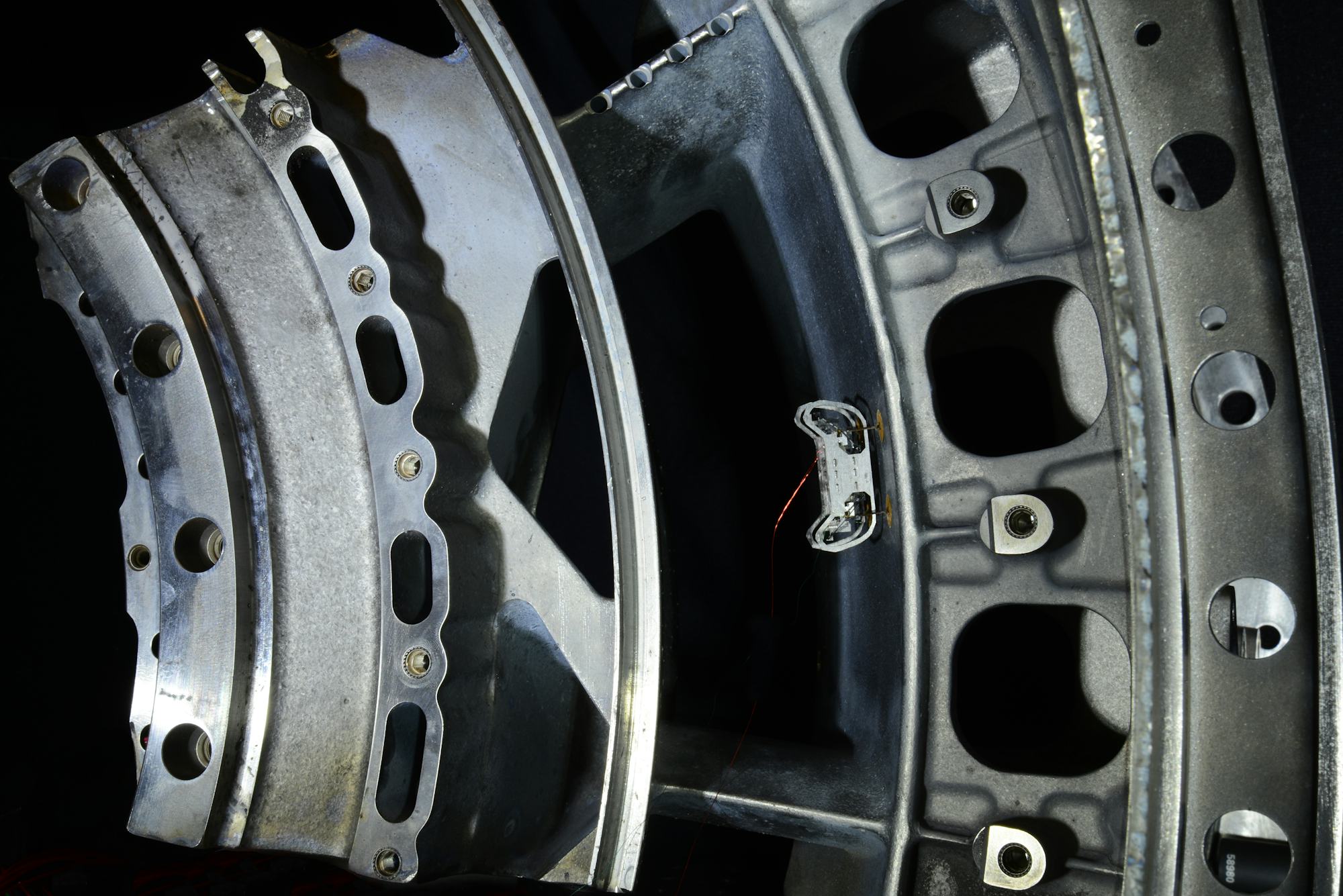
Access equipment through inspection ports for internal inspection and local repair.
Navigate vessels and airways to support examination and intervention.
Enter rubble, caves and ice crevasses to observe the interior.
Inspect pipes, tanks and industrial facilities to monitor asset condition.
Access spacecraft surfaces and interfaces for inspection, maintenance and refuelling tests.
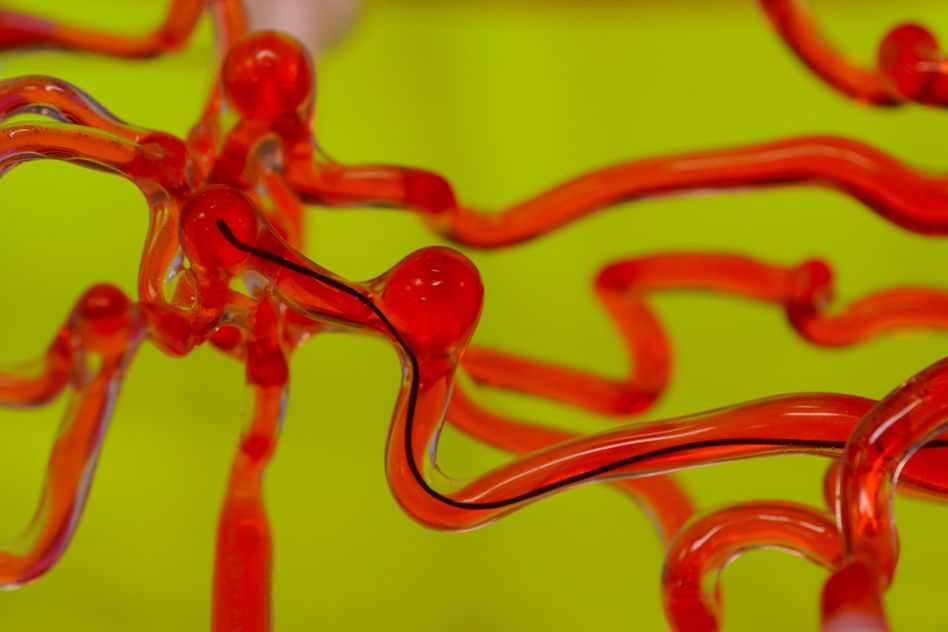
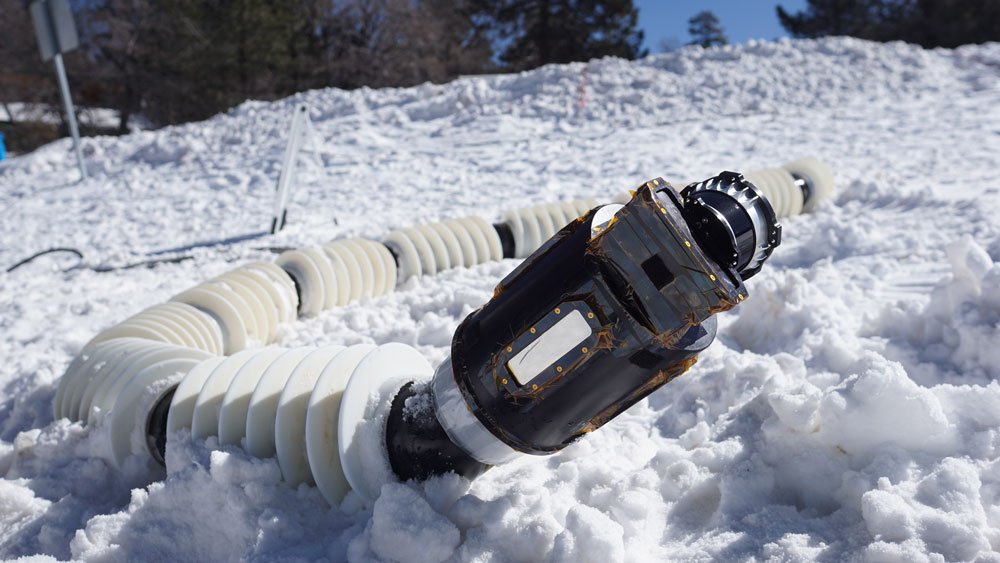
Engine surfaces, a cerebral-vessel model, and snow and ice reveal three different approaches to robot locomotion.
 1080p
A centimetre-scale tethered robot uses electroadhesive feet to crawl on vertical, inverted and curved conductive surfaces.
 4K
A magnetic field steers a slender thread, with a hydrogel coating to reduce friction.
 1080p
A segmented robot combines rotating screw propulsion with environmental mapping in ground tests on ice, snow, sand and glacier passages.
Each case links to papers, institutional reports or field records for mechanism design, test conditions and results.
Field-record noteEELS brings locomotion, mapping and risk assessment into a single exploration task.
 Methods discussion
Start with control, perception and data, then examine access to a specific space.
Browse by technical question, or start with a robot and its task.
Structure, actuation and load transmission.
Observe the environment and estimate shape, position and contact.
Choose feasible paths, coordinate motion and respond to feedback.
Adhesion, friction, force feedback and tool interaction.
Learn from data and interaction, and test policies in new conditions.
Adhesion, locomotion and tools on engine walls and spacecraft surfaces.
Navigate winding paths to observe and manipulate within limited space.
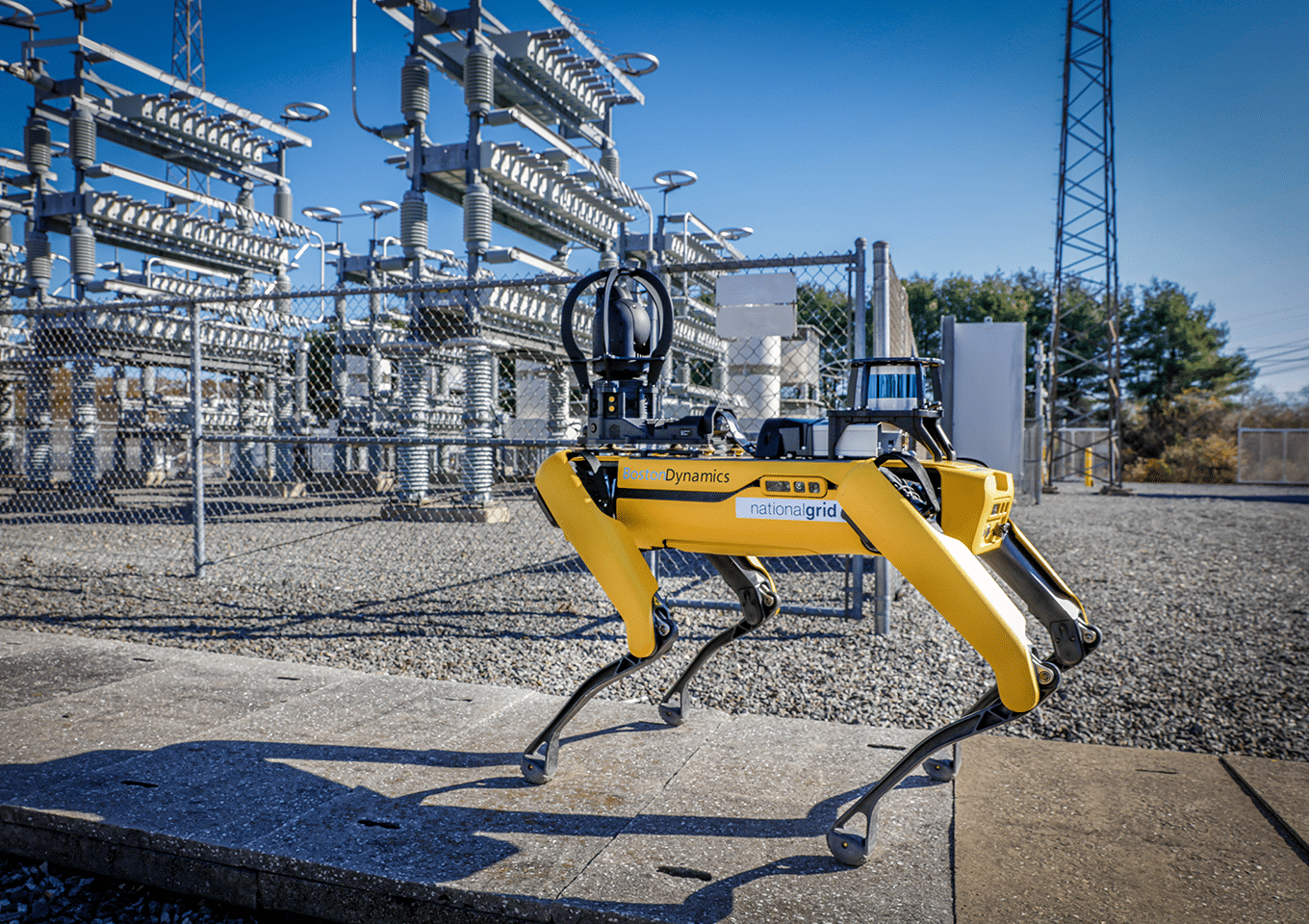
Cross stairs, grating and equipment passages to inspect industrial assets.
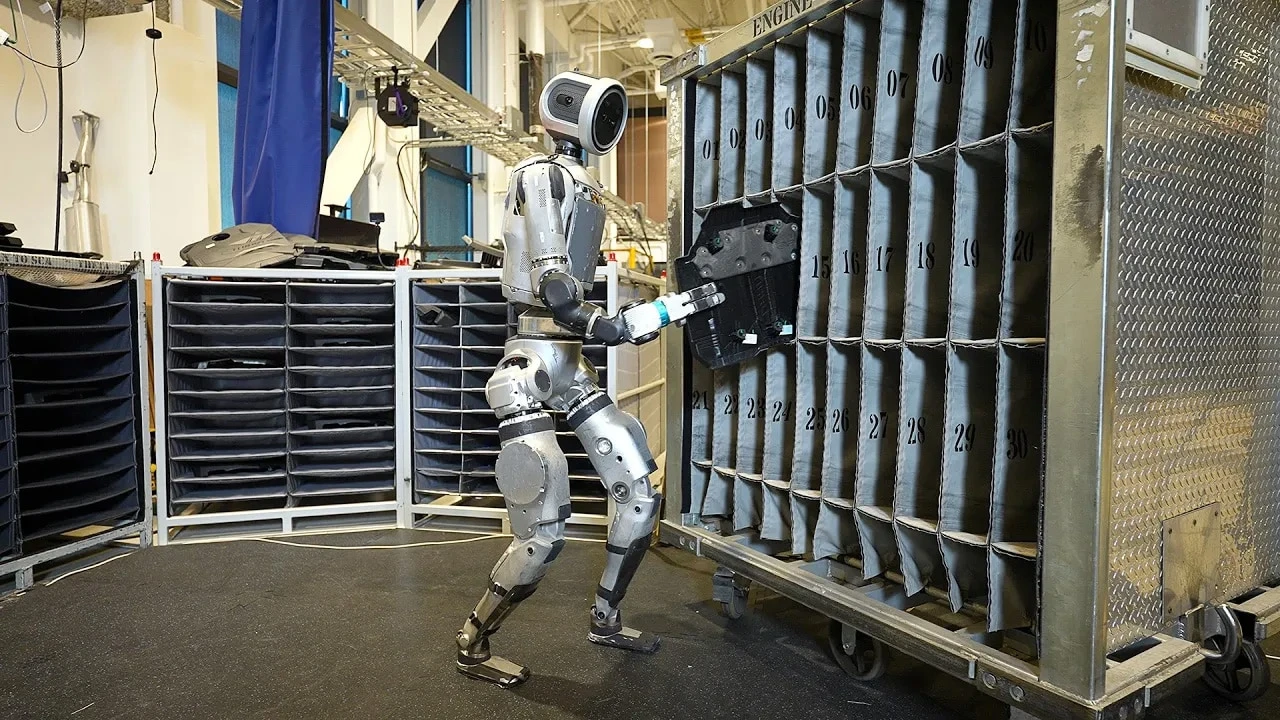
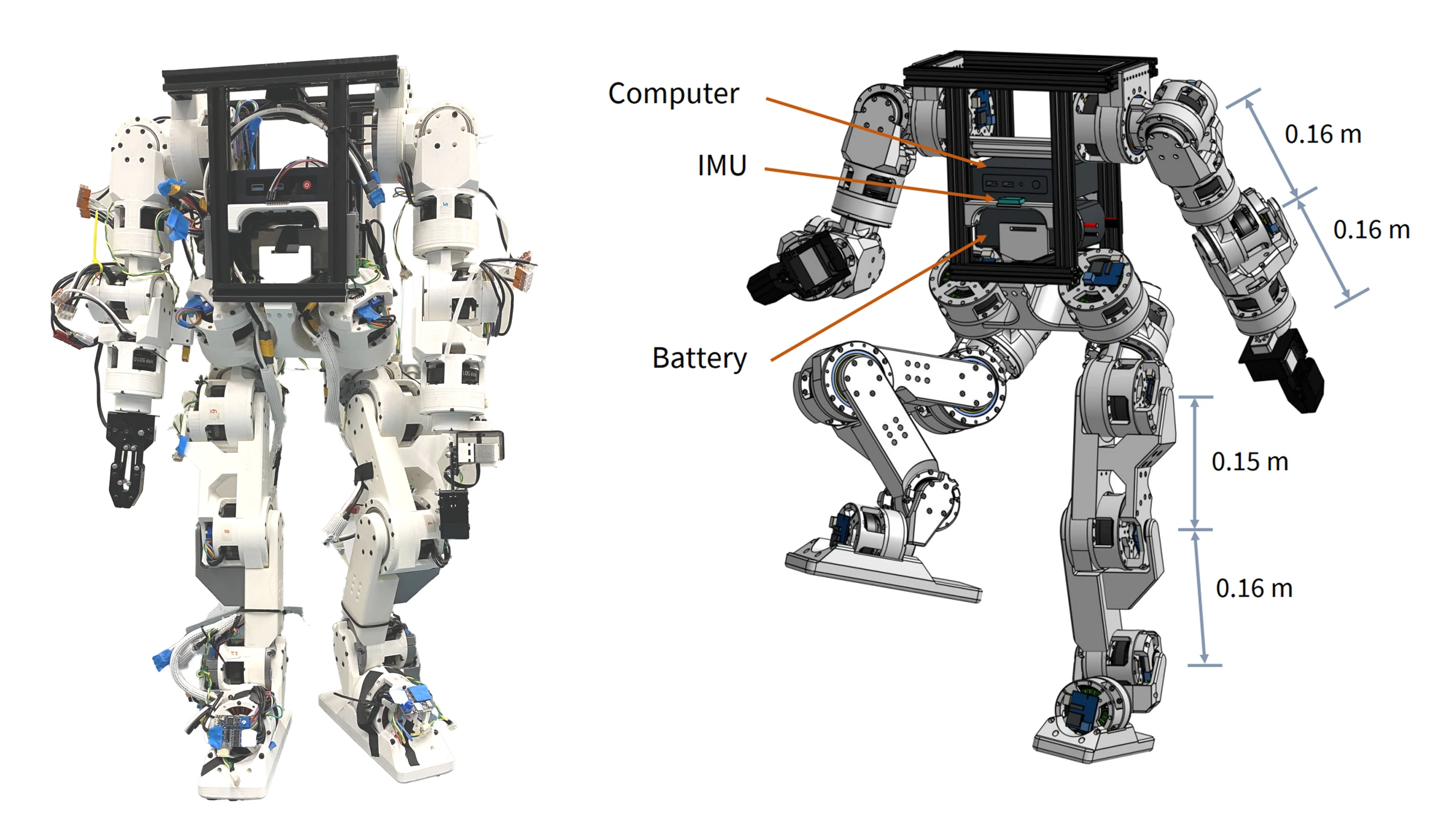
From open hardware and whole-body control to bimanual manipulation and action models.
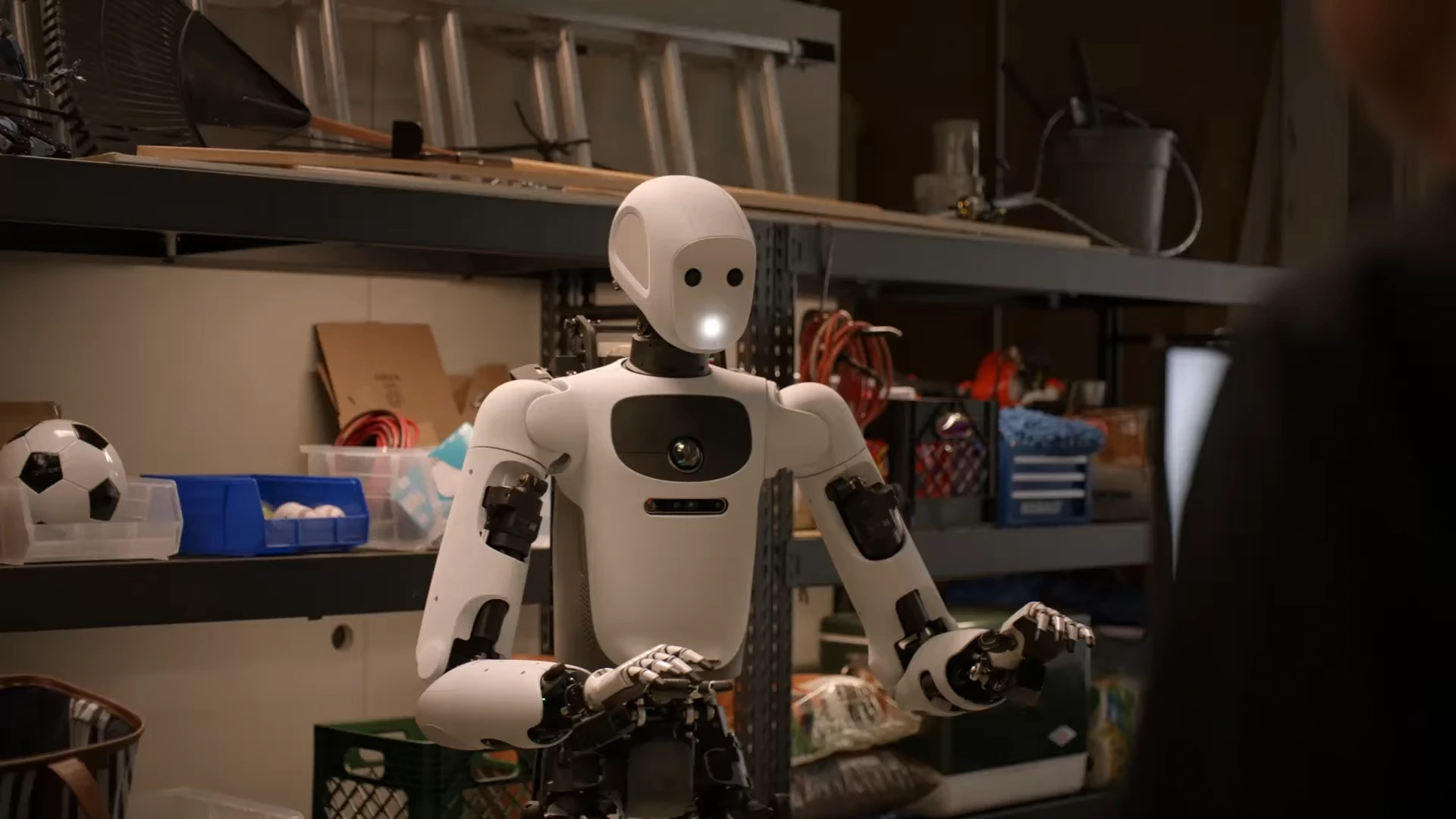
Study how robots learn from demonstrations, language and interaction, alongside the data and code.
Describe the objective and the help you need, record progress and explain which resources you can share.
Visit community projects ↗Send papers, experiment videos, open projects or application needs. Include a source link or describe the problem you are working on.